
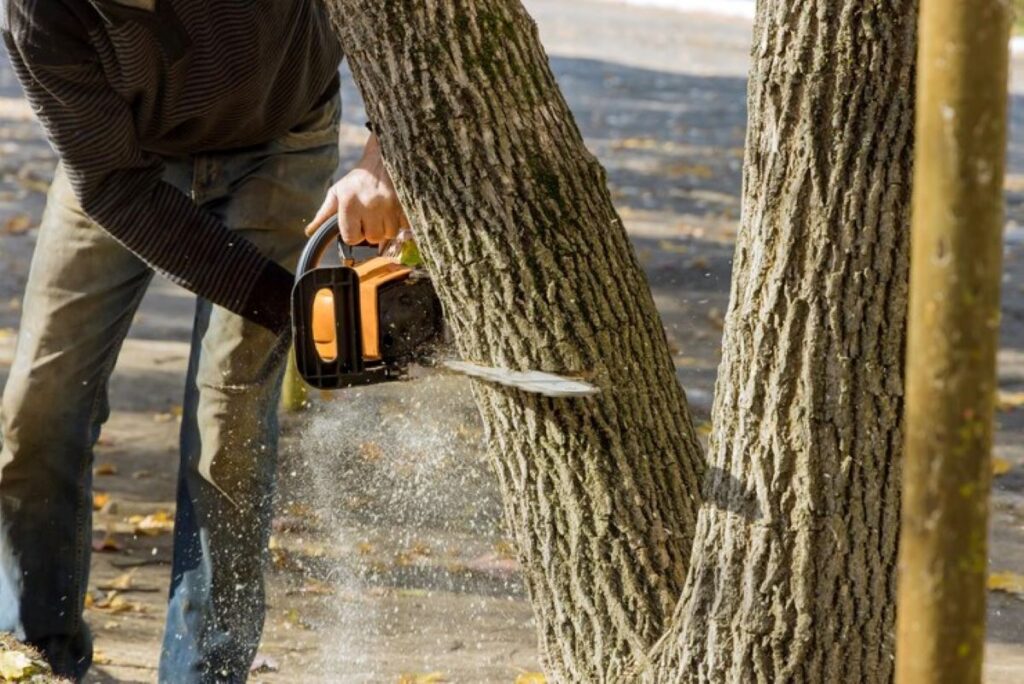
Is the removal actually allowed under local rules?
They should confirm whether council approval is needed before any cutting starts, especially for protected species, heritage listings, or trees in environmentally sensitive areas. A reputable operator will ask about location, tree type, and constraints, then explain what paperwork may be required.
If a contractor pushes to “just do it,” the liability can land on the property owner, not the contractor.
Are they properly insured and qualified for the job?
They should ask for proof of current public liability insurance and, where relevant, workers compensation. This is non-negotiable because tree work regularly involves property damage risk, injuries, and complex rigging — especially when arranging tree removal central coast services where site access and coastal weather conditions can add extra risk factors.
They should also check that the crew has the right competencies for the specific job, not just general experience. A team that can prune small trees may not be equipped for a tight, high-risk removal near structures.
Have they assessed the site risks, not just the tree?
They should expect a site inspection or, at minimum, a structured assessment. Good operators will look for access limits, slope and soil conditions, nearby fences and roofs, and where sections of the tree can be safely lowered.
They should also check for overhead powerlines and service cables. If the tree is close to electricity infrastructure, the job may require coordination with the network provider. Any contractor who ignores this is a red flag.
What exactly is included in the quote?
They should get the quote in writing and confirm what is and is not included. Tree removal pricing often changes based on access, rigging complexity, disposal volume, and time on site, so vague quotes tend to lead to disputes.
They should specifically check:
- Whether stump grinding is included, optional, or excluded
- Whether green waste removal and tipping fees are included
- Whether the quote includes clean-up, raking, and leaf debris removal
- Whether there are extra charges for difficult access or crane use
- Whether the quote includes council approval support if needed
If they want an apples-to-apples comparison between contractors, they should make sure each quote covers the same scope.
Will they protect nearby property and leave the site safe?
They should ask how the contractor plans to protect lawns, gardens, paving, and structures. Professional crews typically use rigging, lowering devices, and controlled drop zones rather than relying on free-falling limbs.
They should also confirm what happens after the removal. A safe finish means no hanging branches, no unstable trunks left behind, and no trip hazards from timber rounds. If the tree is removed because it was failing or storm-damaged, they should also ask whether the contractor can flag other trees that may now be exposed to new wind loads.
Are they getting the right contractor for the reason they’re removing the tree?
They should be clear on why the tree is coming down because the “best” approach depends on the goal. If the issue is safety, they may need full removal plus stump grinding. If the issue is light, clearance, or branches over a roof, targeted pruning might solve the problem at lower cost.
A trustworthy operator will explain alternatives like pruning, deadwood removal, or weight reduction if those meet the client’s needs. If the first suggestion is always full removal, they should treat that as a signal to get a second opinion.
What should they do next before they book?
They should request an on-site assessment, get a written scope, and ask for proof of insurance. Then they should compare at least two quotes that match on inclusions, cleanup, and disposal.
If they do those checks upfront, they reduce surprises, avoid compliance issues, and get a safer result on the day.
FAQs (Frequently Asked Questions)
Is tree removal allowed under local council regulations on the Central Coast?
Before booking a tree removal service, confirm whether council approval is required, especially for protected species, heritage-listed trees, or those in environmentally sensitive areas. A reputable operator will inquire about your tree’s location and type and explain any necessary paperwork to ensure legal compliance.
How can I verify if a tree removal contractor is properly insured and qualified?
Always ask for proof of current public liability insurance and workers compensation where relevant. Ensure the crew has the specific competencies needed for your job, as general experience may not suffice for complex or high-risk removals near structures.
What site risks should be assessed before tree removal?
A thorough site inspection should evaluate access limitations, slope and soil conditions, nearby fences and roofs, overhead powerlines, and service cables. Coordination with electricity providers may be necessary if the tree is near power infrastructure. Ignoring these factors can compromise safety.
What details should be included in a written tree removal quote?
Your quote should clearly state whether stump grinding, green waste removal, tipping fees, clean-up services, extra charges for difficult access or crane use, and council approval support are included. Detailed quotes help avoid disputes and enable accurate comparisons between contractors.
How do professional tree removal services protect nearby property and ensure site safety?
Professional crews use rigging, lowering devices, and controlled drop zones to protect lawns, gardens, paving, and structures. They ensure no hanging branches or unstable trunks remain post-removal and address trip hazards from timber rounds to leave the site safe.
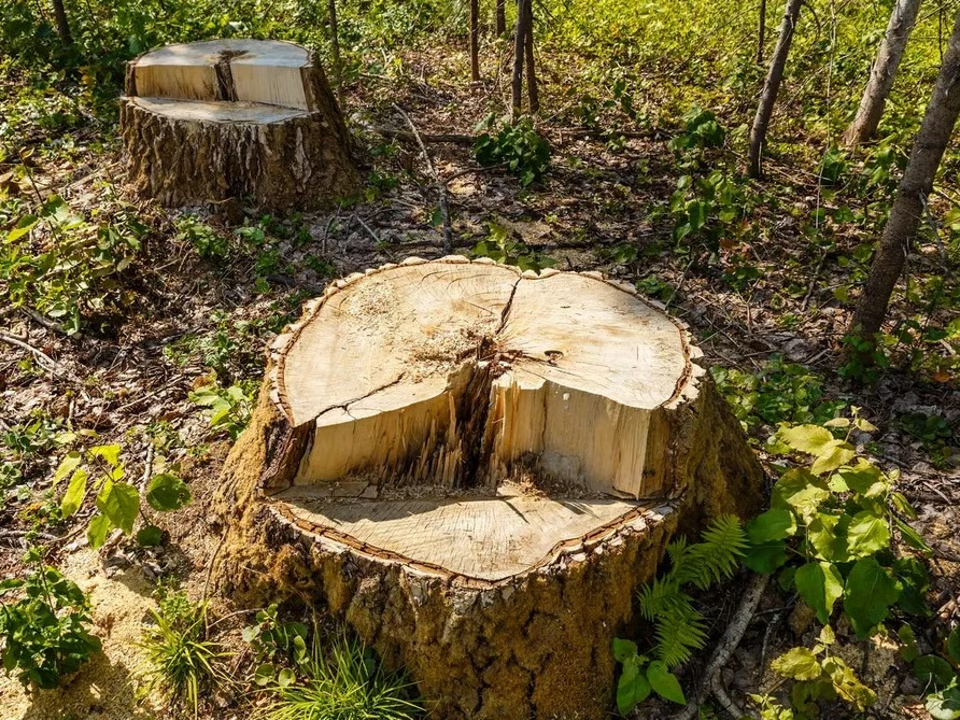
Should I consider alternatives to full tree removal based on my needs?
Yes. Depending on your reason—such as safety concerns or light clearance—alternatives like targeted pruning, deadwood removal, or weight reduction might solve your problem at a lower cost. Beware if a contractor always suggests full removal without exploring other options; seek a second opinion.Tree removal on the Central Coast can look simple from the street, but the risks sit in the details. Before they book anyone, they should check five practical things that affect safety, price, and whether the job is legally compliant. Learn more about tree removal Blue Mountains: safety and compliance explained.
Is the removal actually allowed under local rules?
They should confirm whether council approval is needed before any cutting starts, especially for protected species, heritage listings, or trees in environmentally sensitive areas. A reputable operator will ask about location, tree type, and constraints, then explain what paperwork may be required.
If a contractor pushes to “just do it,” the liability can land on the property owner, not the contractor.
Are they properly insured and qualified for the job?
They should ask for proof of current public liability insurance and, where relevant, workers compensation. This is non-negotiable because tree work regularly involves property damage risk, injuries, and complex rigging.
They should also check that the crew has the right competencies for the specific job, not just general experience. A team that can prune small trees may not be equipped for a tight, high-risk removal near structures.
Have they assessed the site risks, not just the tree?
They should expect a site inspection or, at minimum, a structured assessment. Good operators will look for access limits, slope and soil conditions, nearby fences and roofs, and where sections of the tree can be safely lowered.
They should also check for overhead powerlines and service cables. If the tree is close to electricity infrastructure, the job may require coordination with the network provider. Any contractor who ignores this is a red flag.
What exactly is included in the quote?
They should get the quote in writing and confirm what is and is not included. Tree removal pricing often changes based on access, rigging complexity, disposal volume, and time on site, so vague quotes tend to lead to disputes.
They should specifically check:
- Whether stump grinding is included, optional, or excluded
- Whether green waste removal and tipping fees are included
- Whether the quote includes clean-up, raking, and leaf debris removal
- Whether there are extra charges for difficult access or crane use
- Whether the quote includes council approval support if needed
If they want an apples-to-apples comparison between contractors, they should make sure each quote covers the same scope.
Will they protect nearby property and leave the site safe?
They should ask how the contractor plans to protect lawns, gardens, paving, and structures. Professional crews typically use rigging, lowering devices, and controlled drop zones rather than relying on free-falling limbs.
They should also confirm what happens after the removal. A safe finish means no hanging branches, no unstable trunks left behind, and no trip hazards from timber rounds. If the tree is removed because it was failing or storm-damaged, they should also ask whether the contractor can flag other trees that may now be exposed to new wind loads.
Are they getting the right contractor for the reason they’re removing the tree?
They should be clear on why the tree is coming down because the “best” approach depends on the goal. If the issue is safety, they may need full removal plus stump grinding. If the issue is light, clearance, or branches over a roof, targeted pruning might solve the problem at lower cost.
A trustworthy operator will explain alternatives like pruning, deadwood removal, or weight reduction if those meet the client’s needs. If the first suggestion is always full removal, they should treat that as a signal to get a second opinion.
What should they do next before they book?
They should request an on-site assessment, get a written scope, and ask for proof of insurance. Then they should compare at least two quotes that match on inclusions, cleanup, and disposal.
If they do those checks upfront, they reduce surprises, avoid compliance issues, and get a safer result on the day.
FAQs (Frequently Asked Questions)
Is tree removal allowed under local council regulations on the Central Coast?
Before booking a tree removal service, confirm whether council approval is required, especially for protected species, heritage-listed trees, or those in environmentally sensitive areas. A reputable operator will inquire about your tree’s location and type and explain any necessary paperwork to ensure legal compliance.
How can I verify if a tree removal contractor is properly insured and qualified?
Always ask for proof of current public liability insurance and workers compensation where relevant. Ensure the crew has the specific competencies needed for your job, as general experience may not suffice for complex or high-risk removals near structures.
What site risks should be assessed before tree removal?
A thorough site inspection should evaluate access limitations, slope and soil conditions, nearby fences and roofs, overhead powerlines, and service cables. Coordination with electricity providers may be necessary if the tree is near power infrastructure. Ignoring these factors can compromise safety.
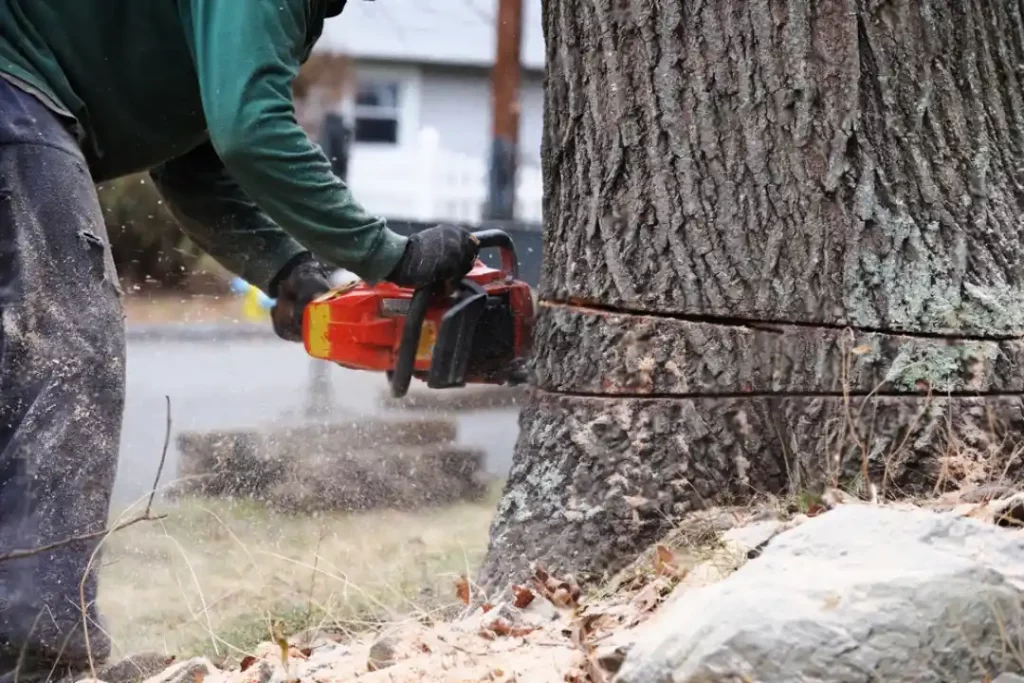
What details should be included in a written tree removal quote?
Your quote should clearly state whether stump grinding, green waste removal, tipping fees, clean-up services, extra charges for difficult access or crane use, and council approval support are included. Detailed quotes help avoid disputes and enable accurate comparisons between contractors.
How do professional tree removal services protect nearby property and ensure site safety?
Professional crews use rigging, lowering devices, and controlled drop zones to protect lawns, gardens, paving, and structures. They ensure no hanging branches or unstable trunks remain post-removal and address trip hazards from timber rounds to leave the site safe.
Should I consider alternatives to full tree removal based on my needs?
Yes. Depending on your reason—such as safety concerns or light clearance—alternatives like targeted pruning, deadwood removal, or weight reduction might solve your problem at a lower cost. Beware if a contractor always suggests full removal without exploring other options; seek a second opinion.